The way people buy cars has changed dramatically.
A decade ago, most customers visited a few dealerships, spoke to sales reps, and made decisions on the lot. Today, most buyers begin online — researching vehicles, comparing prices, reading reviews, checking financing options, and often contacting multiple dealers before ever stepping into a showroom.
In fact, one-third of car buyers begin their journey online, and some complete the entire purchase without visiting a dealership at all.
Car buyers spend 14+ hours researching online before making a purchase decision.
That means dealership marketing is no longer just about running newspaper ads or relying on walk-in traffic. Every stage of the customer journey — awareness, comparison, lead generation, test drive booking, and follow-up — is shaped by digital marketing
83% of U.S. car shoppers say they prefer completing more of the buying process from home compared with previous years.
For modern dealerships, especially independent used car dealers, success depends on how well they manage:
- Inventory visibility
- Marketplace listings
- Local SEO
- Paid advertising
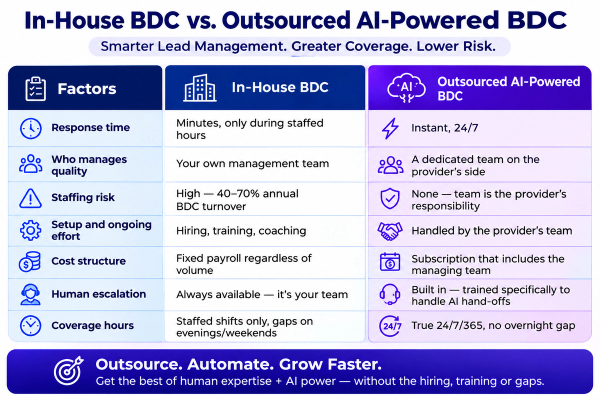
- Fast lead response
- AI-powered communication
And increasingly, the dealers winning in 2026 are not always the ones with the biggest ad budgets — they’re the ones using automation and speed better than their competitors.
Why Marketing Matters More Than Ever for Car Dealerships
Car buyers are shopping differently.
They don’t just visit one dealership anymore. They compare 5–10 options, message multiple stores at once, and often choose whoever responds first with accurate information.
Nearly half of franchise dealerships now offer a fully online purchase experience, which has doubled in just two years, according to the direct Cox Automotive retail digitization study. That reflects how fast buyer expectations are shifting.
Marketing now affects:
- Discovery
- Lead capture
- Appointment scheduling
- Follow-up
- Reputation
- Customer retention
For dealerships, this means marketing is no longer a support function. It directly impacts sales volume.
A 2025 study by Autotrader found that the average U.S. car buyer interacts with 62 touchpoints before making a purchase, while most dealerships track only two of them.
Digital Marketing for Auto Dealers
Digital marketing has become a primary growth channel for many U.S. car dealerships. Buyers now research vehicles across various search engines, dealer websites, online marketplaces, and social media before contacting sales teams. According to Cox Automotive’s retail study, nearly half of U.S. franchise dealers now offer a fully online purchase experience, which has doubled in just two years.
SEO for Car Dealerships
Search engine optimization (SEO) is one of the most important long-term marketing channels for dealerships. While paid ads can generate immediate leads, SEO helps dealerships attract buyers consistently without paying for every click.
Many buyers use search engines during the research phase. In Cox Automotive’s 2026 buyer journey study, 44% of U.S. new-vehicle buyers said their recent purchase experience was better than previous ones due to improved digital research tools.
Many car buyers search for specific vehicles, dealerships, financing options, and service centers through Google before making contact. A strong SEO strategy helps a dealership appear when buyers search for terms like:
- Used car dealership near me
- Certified pre-owned SUVs in Chicago
- Best Honda dealer in Texas
- Bad credit car financing near me
- Trade-in car dealership near Atlanta
Local SEO for Dealerships
Local SEO is especially important because most buyers prefer dealerships close to their home or workplace. Since vehicle purchases usually happen locally, ranking in nearby searches can directly influence showroom visits and test drive bookings.
Dealerships should optimize for:
- Google Business Profile
- Local landing pages
- City-specific keywords
- Map listings
- Customer reviews
- Local citations
Appearing in Google’s local map pack can significantly increase showroom visits and phone inquiries. Local SEO also helps dealerships build trust because customers often compare ratings, reviews, and proximity before contacting a dealer.
Website SEO for Car Dealerships
A dealership’s website should be optimized as a complete digital storefront, not just a place to upload inventory. Buyers often visit the dealership website after discovering vehicles on search engines or marketplace platforms, so the website plays a key role in converting interest into leads.
A strong website SEO strategy includes optimizing:
- Homepage content
- Inventory pages
- Finance pages
- Service pages
- City/location pages
- Contact pages
- Internal linking
Well-structured websites help dealerships rank for broader searches while creating a better user experience for buyers researching online.
Vehicle Page SEO
Each inventory page can rank independently in search results. This means every vehicle listing can become a source of organic traffic when optimized properly.
A vehicle page should include:
- Make and model
- Year
- Mileage
- Location
- Financing details
- Unique description
- FAQ section
- Schema markup
Adding detailed and unique content to each vehicle page helps rank for long-tail searches with high purchase intent. For example, a buyer searching for a specific used vehicle in their city is often much closer to making a purchase decision.
Content Marketing for Automotive SEO
Publishing educational blog content can improve rankings and trust. Many buyers search for advice before deciding which dealership to contact, and informative content helps attract those users earlier in the buying journey.
Examples include:
- Best family SUVs under $30,000
- How to finance a used car
- What credit score is needed for car financing
- Lease vs buy comparison
- Used car inspection checklist
This content attracts top-of-funnel traffic and builds authority. Over time, consistently publishing useful automotive content can improve overall search visibility and strengthen the dealership’s online presence.
Website Strategy for Car Dealerships
A dealership website is the central hub of all marketing activities. While leads may come from Google searches, ads, marketplaces, or offline campaigns, most customers eventually visit the website before making a final decision. It is where trust is built, comparisons are made, and inquiries are converted into real sales.
A strong website does not just display inventory - it guides customers through their buying journey and helps them move from interest to action
Why a Dealership Website Matters
Your website is still important — but not always the main revenue source.
A dealership website should include:
- Mobile-friendly design
- Vehicle inventory pages
- Financing options
- Dealer trust badges
- Reviews
- Strong CTAs like “Book a Test Drive” or “Get Today’s Price”
Many buyers browse dealer websites on mobile devices first, especially after discovering inventory elsewhere.
Marketplace Listings: Where Many Independent Dealers Actually Make Their Money
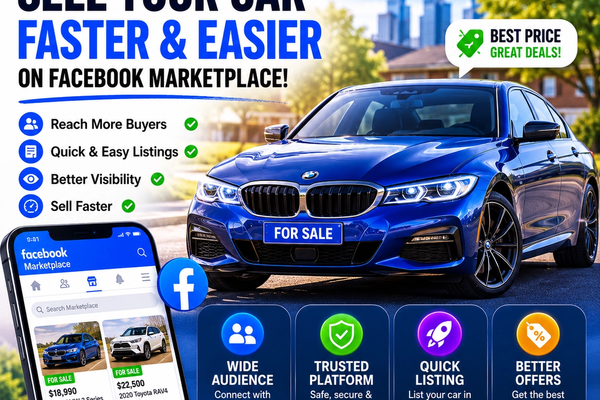
For independent used car dealerships in the U.S., third-party marketplaces often generate more leads than their own website.
Major listing platforms include:
Typical Cost Structures
Dealers usually pay through:
- Monthly subscriptions
- Pay-per-lead packages
- Cost-per-click advertising
- Premium featured listings
Typical ranges in the U.S.:
- Small independent dealers: $800–$2,500/month
- Mid-sized groups: $3,000–$10,000+/month
Dealer discussions consistently show that marketplace spend can easily exceed several thousand dollars monthly across multiple platforms.
What Separates Profitable Listings from Wasted Budget
The dealers generating strong ROI from listings usually focus on three things:
Pricing Position
Vehicles priced even slightly above local competitors may receive dramatically fewer leads.
Buyers compare similar models instantly. Transparent pricing matters.
Photo Quality
Inventory photos have become one of the most important conversion factors.
A listing with:
- 20+ clear images
- Interior details
- Tire condition
- dashboard shots
- Multiple angles
Often outperforms similar inventory with poor visuals.
Response Time
This is one of the biggest overlooked factors.
A hot marketplace leads to a quick cooling down.
Responding within 5–15 minutes can significantly improve appointment rates.
Target Local Automotive Keywords
Examples include:
- Used cars in New York
- Honda dealership near Dallas
- Certified pre-owned SUVs in Miami
Local search intent is one of the strongest traffic sources for dealerships.
Create Helpful Automotive Content
Blog content can improve rankings while educating buyers about the automotive sector.
Topics may include:
- Best used SUVs under $25,000
- First-time car buying guide
- Vehicle financing tips
- Used car maintenance checklist
Optimize Vehicle Detail Pages
Each vehicle page should have:
- Unique descriptions
- Optimized titles
- FAQs
- Financing information
- Internal links
Paid Advertising for Car Dealerships
Paid advertising remains one of the fastest ways to generate leads.
Google Ads for Car Dealerships
Google Ads works well for buyers with high intent.
Searches like:
- Used cars near me
- Buy an SUV today
- Car finance approval near me
Often convert well and give you good results.
Google Ads can help promote:
- Inventory
- Financing offers
- Dealership services
- Seasonal campaigns
Meta Ads for Lead Generation
Meta platforms like Facebook and Instagram are effective for:
- Lead generation forms
- Remarketing
- Inventory promotions
- Video campaigns
Retargeting Campaigns
Retargeting helps bring back visitors who:
- Viewed inventory
- Checked financing
- Started with filling forms
- Abandoned appointments
This improves conversion rates significantly.
Content Ideas for Dealership Marketing
High-performing content includes:
- New cars arrivals
- Walk-around videos
- Customer deliveries
- Financing explainers
- Behind-the-scenes content
Use Short-Form Video
Short-form videos are performing extremely well in automotive marketing.
Examples:
- TikTok videos
- Instagram Reels
- YouTube Shorts
A simple smartphone video can outperform expensive ad creatives if it feels authentic.
Lead Generation Strategies for Car Dealerships
Generating leads is not enough. The quality and speed of follow-up matter just as much.
Use of Strong Lead Capture Forms
Keep forms short.
Ask for important details like:
- Name
- Phone number
- Preferred vehicle
- Budget
Long forms reduce conversions.
Use Clear Calls to Action
Examples include:
- Book a Test Drive
- Get Instant Pricing
- Check Financing Options
CRM and Lead Follow-Up Marketing
Many dealerships lose leads because they respond too slowly.
Respond Quickly
The first 5–15 minutes are critical.
A customer submitting a form on any of the portals may already be talking to several dealers, also.
According to Autotrader research, only 8% of dealership sales are directly traceable in CRM systems, meaning many dealerships miss attribution on the majority of their marketing efforts.
Use CRM Software
CRM systems help with:
- Lead tracking
- Reminders
- Appointment scheduling
- Follow-up automation
Email Follow-Ups
Effective follow-up includes:
- Appointment reminders
- Price updates
- Promotions
- Service reminders
Email follow-up helps dealerships stay connected with leads after the first inquiry.
Many buyers do not purchase immediately. They may compare multiple dealerships over several days or weeks.
Consistent follow-up improves the chances of converting those leads into appointments.
SMS marketing is particularly effective because text messages are usually read much faster than email.
Dealerships commonly use SMS for:
- Appointment confirmations
- Test drive reminders
- Trade-in follow-ups
- Financing updates
- Price reduction alerts
- Service reminders
- Missed call recovery
For example, if a customer asks about a vehicle but does not schedule a visit, a timely SMS with updated pricing or availability can bring them back into the sales funnel.
Offline Advertising for Car Dealerships
Even in 2026, offline advertising continues to play an important role in car dealership marketing. While digital channels drive a large share of online leads, many dealerships still rely on traditional advertising to build local awareness and attract walk-in customers.
For many buyers, especially in local markets, seeing a dealership name repeatedly through newspapers, roadside billboards, radio, or direct promotions creates familiarity and trust. Offline marketing works best when it supports digital campaigns and keeps the dealership visible in the local community.
Why Offline Advertising Still Matters
Offline advertising remains effective because vehicle purchases are often influenced by local trust and brand recognition. A dealership that stays visible in its surrounding market is more likely to be remembered when a customer starts considering a purchase.
Offline marketing helps dealerships:
- build strong local brand recognition
- increase showroom walk-ins
- help customers remember the dealership
- support festive and seasonal promotions
- complement digital marketing efforts
For many dealerships, combining offline visibility with a strong online presence creates a more complete marketing strategy.
Newspaper Advertising for Dealerships
Newspaper advertising is still useful in many regional markets, especially for promoting special offers and seasonal campaigns. Print ads can help reach local audiences who may not actively search online but respond to promotional deals.
Dealerships often use newspaper advertising to promote:
- Holiday sales promotions such as Memorial Day, Labor Day, and year-end clearance events
- Trade-in bonus promotions
- New vehicle launches
- Year-end clearance sales
- Financing offers and monthly payment specials
This can be especially effective during major shopping seasons when customers are actively looking for vehicle deals.
Radio Advertising for Local Reach
Radio remains a valuable local advertising channel for dealerships targeting daily commuters. People driving to work often hear local promotions, making the radio useful for brand recall.
Radio advertising helps dealerships:
- Reach daily commuters
- Promote limited-time offers
- Build awareness in nearby areas
- Improve local brand recall
Short, repeated campaigns can keep the dealership top of mind in competitive markets.
Billboard and Outdoor Advertising
Billboards and outdoor signage help dealerships stay visible in high-traffic locations. Large roadside displays can create strong local awareness, especially when placed near busy intersections, highways, or shopping areas.
Billboards and hoardings help dealerships:
- Increase visibility in high-traffic locations
- Create a strong local brand presence
- Promote the showroom location and offers
- Showcase featured vehicles visually
For dealerships located outside city centers, outdoor signage can also help direct nearby traffic to the showroom.
Flyers, Brochures, and Direct Promotions
Printed promotional materials remain useful for local campaigns, events, and service promotions. Dealerships often distribute brochures in residential areas, commercial zones, or during local exhibitions.
Printed marketing materials can help:
- Promote service offers
- Advertise financing plans
- Share dealership information locally
- Support seasonal campaigns
These materials can also support test-drive events and new-vehicle launch promotions.
SMS and WhatsApp Promotions
Direct communication channels such as SMS and WhatsApp remain highly effective for customer engagement. Many dealerships use them to reach existing customers, follow up on inquiries, and share promotional updates.
Direct communication campaigns can:
- Promote holiday sales events and seasonal dealership promotions
- Send exchange program updates
- Share service reminders
- Increase appointment bookings
- Improve customer engagement
Because messages are delivered directly to the customer, these channels often generate faster responses than many traditional formats.
Track Offline Advertising Performance
Offline campaigns should also be measured to understand which channels generate actual business results. Dealerships that track campaign performance can improve future advertising decisions and allocate budget more effectively.
Important offline metrics include:
- Walk-in inquiries
- QR code scans
- Test drive bookings
- Showroom visits generated from campaigns
Adding trackable phone numbers, QR codes, or offer-specific landing pages can help connect offline campaigns with actual lead generation.
AI and Automation in Car Dealership Marketing
AI is becoming an advantage for dealerships in 2026. From inventory management to customer communication, AI tools help dealerships improve efficiency, reduce manual work, and respond to buyers faster.
As more customers expect instant responses and seamless online experiences, dealerships are using AI to improve both marketing performance and sales operations.
Cox Automotive reported that 19% of all U.S. car buyers used AI tools during their shopping process in 2025, and 84% of those buyers reported high satisfaction with their purchase experience.
AI Listing Tools
AI-powered listing tools help dealerships create better vehicle listings faster.
Platforms like Spyne automatically improve inventory photos by:
- Removing distracting backgrounds
- Enhancing image quality
- Adjusting lighting
- Standardizing vehicle presentation
AI Pricing and Inventory Management
Tools like vAuto help dealerships price vehicles competitively.
AI Voice Agents
Solutions like Super Producer help dealerships automate lead communication through AI-powered calls and follow-up workflows.
These tools can:
- Answer missed calls instantly
- Qualify incoming leads
- Book appointments automatically
- Follow up after business hours
- Recover abandoned inquiries
- Improve response speed
This can significantly reduce missed sales opportunities.
Geofencing Competitor Dealerships
Geofencing is an advanced local advertising strategy.
It allows dealerships to show ads to customers who are physically visiting competitor lots.
This can be used to promote:
- Better pricing
- Trade-in incentives
- Financing offers
- Limited-time deals
It is especially effective in competitive local markets.
Optimize Google Business Profile
A strong Google Business Profile improves local visibility.
Key Optimization Areas
- Accurate business information
- Inventory photos
- Customer reviews
- Updated hours
- Service categories
Improve Local Search Visibility
This helps for searches like:
- Car dealer near me
- Used cars nearby
- Best dealership in my area
Reputation and Review Marketing
Online reviews strongly influence buying decisions.
Platforms to prioritize:
- DealerRater
Overall dealership satisfaction in the U.S. reached 76% in 2025, and customer experience scores were highest for dealerships that combined digital tools with transparent communication.
Encourage Customer Reviews
Ask for reviews from your customers after positive interactions, such as:
- After vehicle delivery
- After successful financing approval
- After test drive completion
- After servicing appointments
- After resolving customer concerns
Dealerships can make the review process easier by:
- Sending direct review links via SMS or email
- Asking sales staff to request reviews personally
- Placing QR codes in the showroom
- Following up shortly after purchase
- Simplifying the review steps for customers
Respond to Negative Reviews Professionally
Fast, respectful responses build trust.
Best practices include:
- Respond promptly to complaints
- Acknowledge the customer’s issue
- Avoid defensive replies
- Offer a practical resolution
- Invite the customer to continue the conversation offline
- Show transparency and professionalism
- Use feedback to improve dealership operations
Potential buyers often read negative reviews before visiting a dealership, so professional responses can improve credibility.
Multilingual Marketing for Car Dealerships
- Many dealerships serve diverse local communities, and multilingual marketing can help reach more buyers.
- In markets with large Spanish-speaking populations, bilingual campaigns can significantly improve lead generation.
- Dealerships can create:
- Spanish-language landing pages
- Bilingual Google Ads
- Spanish Facebook campaigns
- Bilingual SMS communication
- Multilingual sales support
Many dealerships still under-serve this market — one industry analysis found that only 8% of U.S. dealership websites offer Spanish-language content, despite strong demand from Spanish-speaking buyers.
Conclusion
Car dealership marketing in 2026 requires a combination of digital visibility, fast lead response, and automation. From SEO and paid advertising to marketplace listings, CRM follow-up, and AI-powered communication, dealerships that build a connected marketing system generate stronger long-term growth.
The most successful dealerships are not always the ones spending the most on advertising; they are the ones responding faster, building trust online, and creating a seamless buying experience across every customer touchpoint.
Dealerships should regularly audit their marketing performance, improve lead response systems, and invest in strategies that support sustainable customer acquisition.

Manan Bhalodia
Expert in automotive AI solutions and customer service optimization. Passionate about helping automotive dealerships leverage technology for growth.